Solutions

Back at Your Desk and Already in Pain? What Most Work Setups Get Wrong

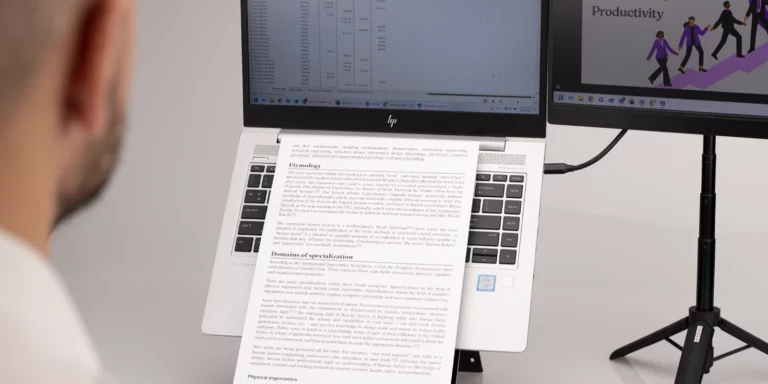
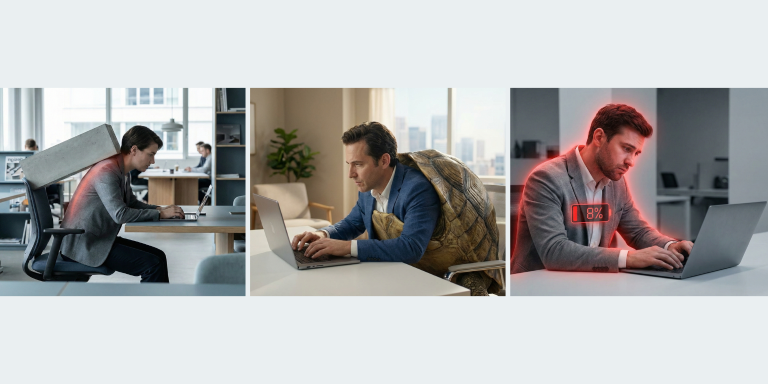
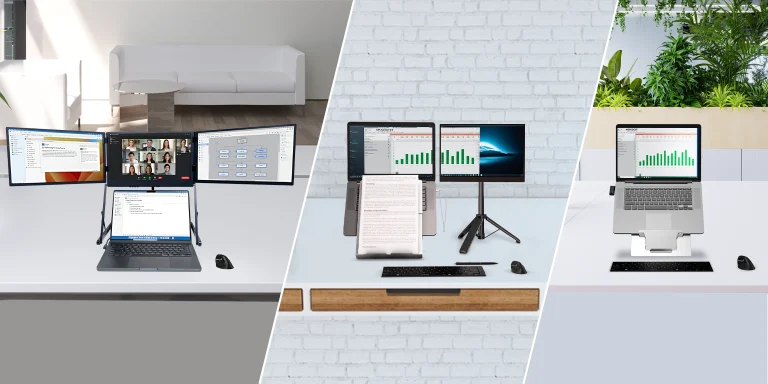
For many of us, work didn’t really begin again until a few weeks into the year. The inbox filled up, meetings returned, and routines quietly locked back into place. And then came the discomfort. A stiff neck before lunch. Tight shoulders by mid-afternoon. A dull ache in the lower back that wasn’t there over the holidays. This isn’t a motivation problem or a discipline issue. It’s often desk setup pain making itself known once work becomes repetitive again. The issue isn’t how hard you’re working. It’s how much your body is compensating while you work. Why Pain Shows Up Weeks Into Work Pain rarely appears immediately. At the start of the year, movement is higher and workdays feel lighter. Over time, the body starts to notice patterns. Long periods of sitting, minimal movement, and static postures create low-grade muscle fatigue. When your screen is slightly too low or your input devices are just out of reach, your neck, shoulders, and wrists quietly work overtime. That’s why desk setup pain often appears a few weeks in. The strain is subtle, cumulative, and easy to ignore—until it isn’t. Common Desk Setup Mistakes That Add Up This is where most discomfort begins. Not with dramatic errors, but with everyday compromises that feel harmless. Laptop Screen Sitting Too Low When a laptop sits directly on the desk, the screen drops well below eye level. The neck tilts forward slightly, then stays there for hours. That forward angle doesn’t feel extreme—but the neck isn’t designed to hold it all day. This is one of the most common causes of desk setup pain, especially for laptop-based work. Screen Positioned Too Far Away A screen that’s too far away invites leaning. The head moves forward, shoulders follow, and posture slowly collapses. This creeping forward motion often goes unnoticed because it happens gradually. By the end of the day, the upper back and neck feel the cost. Keyboard and Mouse Creating Shoulder Tension Cramped input devices pull the shoulders inward or upward. Over time, this creates constant tension through the neck and upper back. The hands may feel fine, but the shoulders stay engaged when they should be relaxed. This is a quiet contributor to long-term desk setup pain. Chair Offering Little Real Support Even a good chair can fail if it isn’t supporting the lower back properly. When support is missing, the spine does extra work just to stay upright. That effort accumulates, especially during long, uninterrupted work sessions. Small Fixes That Actually Work Fixing desk setup pain doesn’t require a complete office redesign. Raising the screen to eye level using a laptop stand like ETRA or Oryx evo D, can immediately reduce neck strain. Separating the keyboard and mouse from the laptop allows the shoulders to settle into a more natural position. Keeping reference materials at eye level helps prevent constant head turning, while small adjustments to desk layout reduce unnecessary reaching and tension. These changes work because they remove the need for your body to compensate. Less compensation means less fatigue—and more sustainable comfort. General Ergonomics Habits That Support Your Setup Even a well-designed setup benefits from supportive habits. Short, regular breaks help reset posture before tension builds. Light stretching keeps muscles from locking into one position. Staying hydrated and organising the desk so frequently used items remain within easy reach reduces unnecessary strain. Alternating between sitting and standing—even briefly—adds movement back into the workday, something the body responds to remarkably well. Closing Reflection Discomfort isn’t a failure. It’s feedback. When pain starts appearing a few weeks into the work routine, it’s often a sign that your setup needs support—not that you need to push through. Thoughtfully designed ergonomic tools help reduce everyday strain, improve posture, and support productivity across different work environments—whether you’re office-based, hybrid, or fully mobile. Ready to improve the way you work? Explore our Ergonomic Options

Read More »
A smiling professional unboxing a Standivarius ETRA laptop stand as one of the best ergonomic gifts for work this holiday season.

Save the Mugs and Chocolate Boxes for Next Year — Try These Ergonomic Gifts for Work

December gifting carries a certain charm — thoughtful gestures, shared appreciation, and small touches that brighten the end of the year. Mugs and chocolate boxes will always be welcome, but many people are now searching for ergonomic gifts for work that offer something more lasting. Better posture, clearer focus, comfort throughout the day — these are gifts that quietly improve someone’s routine long after the holidays end. Below are five meaningful ideas that make work feel lighter, healthier, and more productive. 1. A Gift of Portability Work happens everywhere now — offices, cafés, trains, meeting rooms, and airport lounges. Portable ergonomic tools help people build a comfortable setup wherever they go. A lightweight laptop stand or a compact travel keyboard, like the Oryx Evo D or Solo X, can slip into any bag and turn unpredictable spaces into functional workstations. For hybrid professionals, portable tools are some of the most practical ergonomic gifts for work, supporting comfort without adding weight or complexity. 2. A Gift of Better Posture Healthy posture transforms the way people feel at the end of a long day. Simple tools — a laptop stand that elevates the screen or a document holder that centralises reading materials — can create natural alignment without effort. Options such as ETRA or the Libro series encourage more upright, relaxed positioning that supports long-term wellbeing. Posture-focused items remain among the most valuable ergonomic gifts for work, especially for anyone spending hours at a desk. 3. A Gift of Real Productivity A smoother workflow is a gift that pays off every single day. More screen space, better viewing angles, and fewer tab switches all contribute to deeper focus and faster thinking. A portable multi-screen solution like the Doxa Pro 3 or a stable monitor stand such as X-Stand can help professionals work with greater clarity. These small upgrades create powerful ergonomic gifts for work, improving efficiency without adding complexity. 4. A Gift of Everyday Comfort Comfort isn’t decorative — it’s essential for sustainable work. Ergonomic mice and keyboards reduce strain on the hands and wrists, while angled stands help avoid neck and shoulder fatigue. Even subtle design improvements, like the sculpted form of the Hi! Mouse or the responsive feel of the Piano II BT, can make long hours noticeably easier. Useful, aesthetic, and supportive, comfort-focused tools are thoughtful ergonomic gifts for work that improve everyday wellbeing. 5. A Gift of Desk Clarity (and Mental Clarity) A tidy desk creates room to think. Tools that raise devices, organise documents, or free up physical space help create a workspace that feels intentional rather than cluttered. Minimalist solutions like Stand-Art or the UNO device riser bring order without overwhelming the desk. These simple, elegant upgrades make excellent ergonomic gifts for work, helping people start the new year with a clearer workspace — and a clearer mind. Closing Reflection The most meaningful gifts don’t just brighten a moment — they improve the moments that follow. Whether it’s posture, productivity, comfort, clarity, or the freedom to work anywhere, ergonomic tools offer everyday support that lasts long beyond December. This season, consider giving ergonomic gifts for work that genuinely make a difference. Ready to give something truly meaningful? Find Ergonomic Tools Here

Read More »
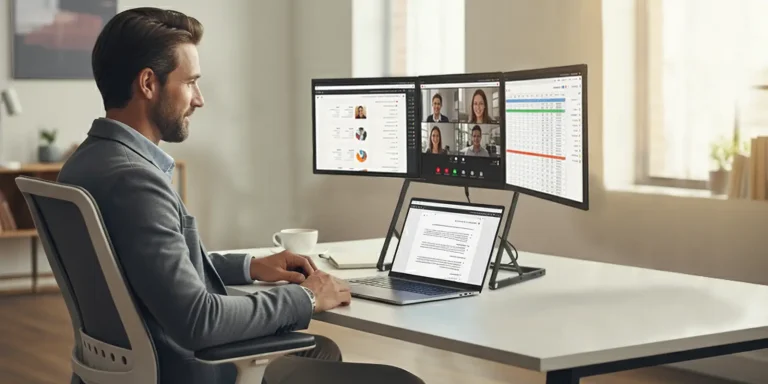
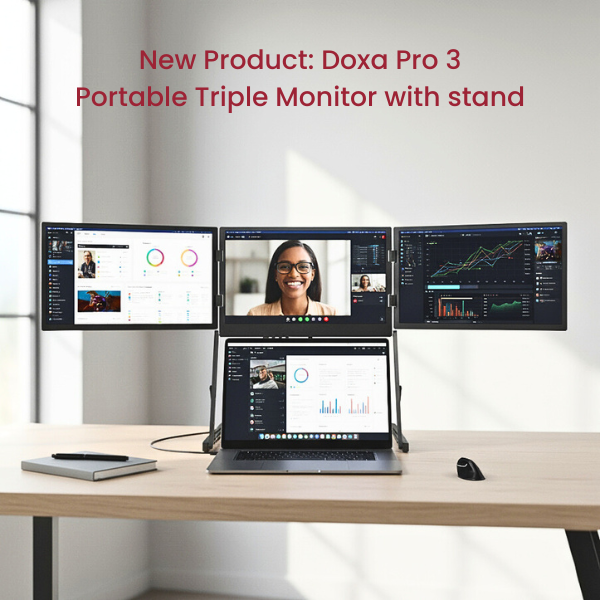
Portable triple monitor setup with Doxa Pro 3 in a modern home office workspace.

Too Many Tabs, Not Enough Screens?

In today’s fast-paced work environment, the struggle often begins with one simple problem: not enough screens. Emails, presentations, video calls, and research all compete for space on a single laptop, making it harder to stay organised and productive. The Doxa Pro 3 Portable Triple Monitor solves this challenge by transforming any laptop into a full three-screen workstation — portable, ergonomic, and ready anywhere. Why More Screens Matter Working from one laptop screen can be limiting, especially when multiple tasks demand attention. With the Doxa Pro 3 Portable Triple Monitor, a laptop is instantly expanded with additional three Full HD displays, eliminating the need to constantly switch between tabs or windows. For students, this means note-taking, online classes, and reference materials can be viewed at the same time. For professionals, presentations, video calls, and reports can be managed side by side without compromise. Designed for Portability Despite its triple-screen setup, the Doxa Pro 3 remains lightweight and foldable, slipping easily into a standard laptop bag. Setup is simple with dedicated software, ensuring a smooth start without complicated configuration. Wherever work takes place—office, home, or on the go—this portable triple monitor is always ready. Ergonomic Comfort Built In The Doxa Pro 3 Portable Triple Monitor goes beyond extra screen space. Its adjustable design allows users to raise displays up to three levels to eye height, supporting proper ergonomic posture. Tilt adjustments reduce glare, while the crisp Full HD resolution helps minimise eye strain. With built-in speakers and a stabilising kickstand, it is a complete solution that combines productivity with comfort. Key Benefits at a Glance Triple-screen productivity – expand a laptop into a three-screen workstation in seconds Made for mobility – folds flat for hybrid and on-the-go work Clearer, healthier viewing – Full HD screens with ergonomic adjustability Easy setup – quick software installation, no complicated configuration Built-in speakers – for clear audio in calls, meetings, and media playback Solving the “Not Enough Screens” Problem Whether in the office, at home, or working remotely, the Doxa Pro 3 Portable Triple Monitor addresses the universal issue of limited screen space. It is a portable, ergonomic workstation that enables organisation, focus, and higher productivity—without being tied to a desk. Learn more about the Doxa Pro 3 at standivarius.com. From ergonomic stands to multi-screen solutions, Standivarius continues to expand the way we support healthier, more productive working.

Read More »
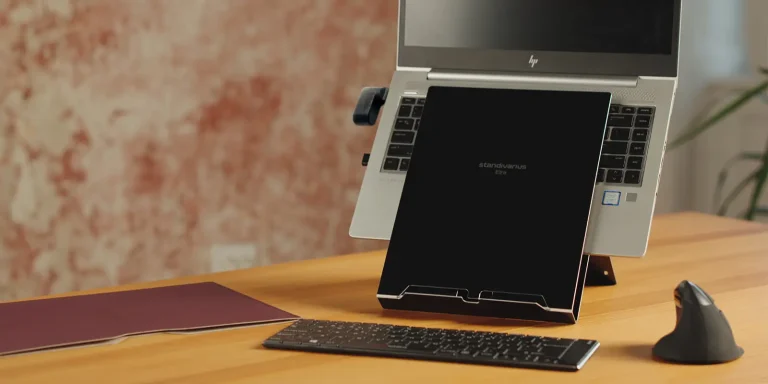
Ergo Kit Black complete setup

Discover the Right Fit: Introducing the New Ergo Kits by Standivarius

Whether you’re working from home, in the office, or constantly on the move, the way your workspace is set up can make a big difference to your comfort and productivity. At Standivarius, we believe that good work starts with good posture, and that starts with the right tools. That’s why we’ve expanded our Ergo Kit range, in addition to our Ergo Kit Wireless and Wired, introducing three new kits designed to meet the needs of today’s flexible, mobile workforce: Ergo Kit Black, Ergo Kit Plus, and Ergo Kit Surface Pro. Each one offers a complete ergonomic workstation setup in a compact, lightweight form. No guesswork, no complicated assembly, just everything you need to work comfortably and efficiently, wherever you are.   What’s in an Ergo Kit?   An Ergo Kit is more than just a bundle of accessories. It’s a curated setup of ergonomic essentials that help you maintain better posture, reduce strain, and boost your focus throughout the day. Every kit includes a laptop or tablet stand, a compact and comfortable keyboard, an ergonomic mouse, and USB Hub. It’s a complete ergonomic workstation setup built for today’s hybrid and mobile professionals. Let’s take a look at what’s new.   Ergo Kit Black: Where Aesthetics Meet Ergonomics   For those who want their workspace to look as sleek as it feels, the Ergo Kit Black is the one to watch. With its all-black, premium finish, this kit blends style and function in perfect harmony. Inside, you’ll find the ETRA laptop stand with a pivotable document holder, the Solo X wireless rechargeable keyboard, the AVE /’a:vei/ ergonomic mouse, and a handy USB hub, all in matching black. It’s a minimalist’s dream and a solid productivity upgrade for professionals who care about visual impact and a complete ergonomic workstation setup.   Ergo Kit Plus: Designed for Laptops and Tablets   More people are switching between laptops and tablets during the day, and the Ergo Kit Plus was built for that kind of workflow. It includes the Oryx Pro stand, which supports both device types, along with the Solo X wireless rechargeable keyboard, AVE /’a:vei/ ergonomic mouse, and a USB hub. All these are slim, lightweight, and compact enough to fit in your laptop bag. This kit is ideal for mobile teams, hybrid workers, and consultants who need a complete ergonomic workstation setup that adapts to different devices. Ergo Kit Surface Pro: Built for the Surface Pro Generation   If you’re using a Surface Pro (version 3–11), the Ergo Kit Surface Pro is a must-have. It’s built around two Standivarius essentials: The KickStand — an ultra-thin stand that lifts your Surface screen to the right height. The Freedom Keyboard — a full-size, detachable keyboard that upgrades your typing experience. Together, they turn your Surface Pro into a more comfortable, laptop-style setup without adding bulk. This kit folds flat, travels light, and delivers a complete ergonomic workstation setup for tablet-first professionals.   Why Ergo Kits Matter More Than Ever   With more people working remotely or on flexible schedules, there has been a growing need for portable ergonomic tools. But for many, figuring out which accessories to buy and whether they’ll work well together can be overwhelming. That’s where Ergo Kits come in. Each one is assembled by the Standivarius team with ergonomic performance, ease of use, and mobility in mind. No unnecessary extras. No mismatched components.  Just the right tools for a complete ergonomic workstation setup, right out of the box. When it comes to long-term comfort and productivity, your setup matters. A good ergonomic foundation helps prevent common issues like back pain, neck strain, and eye fatigue, and can make working feel just a little more enjoyable. With the updated Ergo Kit lineup, Standivarius makes it easier to choose a complete ergonomic workstation setup that suits your style, your tools, and your workday. Ready to upgrade your workspace? Explore all five kits today at standivarius.com or through select ergonomic dealers.

Read More »
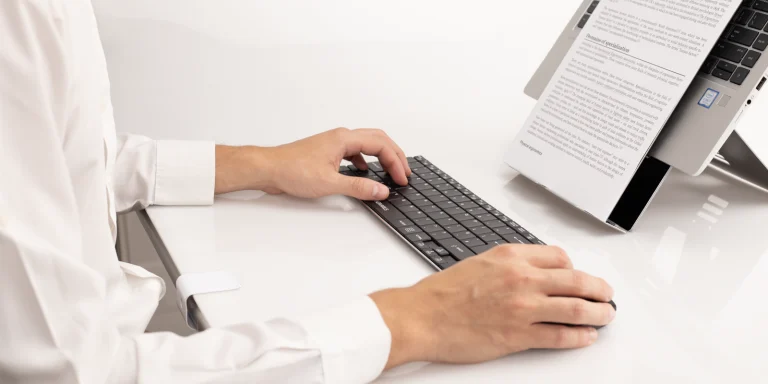
Hands typing comfortably on a compact external keyboard, reducing keyboard typing fatigue.

The Silent Strain: How Your Keyboard Impacts Daily Fatigue

Long hours on a laptop keyboard can lead to tension, discomfort, and keyboard typing fatigue. Find out how switching to a compact external keyboard can ease physical strain, improve hand positioning, and help you work more comfortably wherever you are.   Why Your Keyboard Might Be Wearing You Out It’s easy to overlook your keyboard until your body reminds you. If you’ve ever wrapped up a workday with aching wrists, stiff shoulders, or lingering hand fatigue, your typing setup could be to blame. Most people associate ergonomics with chairs and desks, but the keyboard is one of the most-used tools in your workspace and it plays a big role in how your body feels at the end of the day.   Understanding Keystroke Ergonomics The way we type matters. Traditional laptop keyboards are often cramped and force your hands into awkward positions. Over time, this contributes to keyboard typing fatigue – a subtle, persistent strain that builds up through poor wrist angles, repetitive finger movements, and excessive force required to press keys.   Keystroke ergonomics refers to the science of how typing affects your body: Key travel and resistance: Shallow, stiff keys can tire your fingers faster. Keyboard width and spacing: Wide layouts force your shoulders outward, creating tension. Wrist alignment: Flat, fixed keyboards can push wrists into unnatural angles. These small factors accumulate over hours of work, leading to discomfort you may not even connect to your keyboard.   A Compact Solution Designed for Closer, More Comfortable Typing One overlooked benefit of a compact keyboard is how it changes your mouse position. With its compact design, your hands stay closer together, meaning you don’t need to overreach to use the mouse. This simple shift can significantly reduce tension in your shoulder, forearm, and wrist throughout the day. How Solo X helps reduce keyboard typing fatigue: No wasted width – it keeps your hands in a narrower, more natural position Shorter distance to the mouse – less strain on your dominant arm Low-profile keys – less force required, helping reduce finger fatigue The Solo X doesn’t just feel better—it’s made to work better for you: Dual connectivity via Bluetooth or a 2.4GHz nano receiver lets you choose how you want to connect—ideal for switching between devices or working in different environments. Ultra-slim and rechargeable, it slips easily into your laptop bag without adding weight. Magnetic tilt strip offers angle adjustment so you can tweak wrist posture based on your setup. Whether you’re working from home, in a shared office, or from a café, the Solo X gives you the flexibility to type in comfort.   Small Changes, Big Relief If you’re feeling tense or tired after typing, don’t ignore it. Fatigue from your keyboard setup is subtle but real. Upgrading to a compact external keyboard like the Solo X is a simple change that supports long-term comfort and productivity. Ready to feel the difference one small device can make? The Solo X supports healthier typing without sacrificing mobility or ease of use. Try the Solo X and take the pressure off your hands, wherever you work.

Read More »
Health and Wellbeing at Work Trade Show at Birmingham last March 2025 focusing on topics about ergonomics for workplace wellbeing

The Workplace Stress Fix: How Ergonomics Can Improve Mental & Physical Well-Being

Workplace stress is a growing concern, and often, its root cause is closer than we think—our daily work setup. Poor ergonomics can lead to discomfort, fatigue, and ultimately, a decline in both physical and mental well-being. At this year’s Health & Wellbeing at Work trade show in Birmingham—one of the UK’s leading events dedicated to workplace health—the spotlight was firmly on ergonomics. Industry experts gathered to explore how small but meaningful changes to the physical work environment can drastically reduce stress levels. While we didn’t exhibit, the event provided timely insight that aligns with our mission: providing solutions to people to work more comfortably and healthily through quality ergonomic tools. 1. How Poor Ergonomics Contributes to Stress Many stress-related issues begin with physical discomfort. Sitting too long, craning your neck toward a low screen, or typing at awkward angles builds tension over time. The result? Sore muscles, mental fatigue, and reduced focus. Sessions at the trade show echoed this reality. Industry professionals highlighted how chronic pain and poor posture not only affect productivity but also increase stress levels—both physically and emotionally. When our bodies are strained, it becomes harder to stay calm, clear-headed, and engaged at work. That’s why ergonomics for workplace well-being was a recurring theme across the sessions. 2. Ergonomic Fixes for a Healthier Workday The upside is that stress from poor ergonomics is avoidable. With a few mindful changes, you can create a setup that supports both comfort and productivity. Improve Posture Start by adjusting your workstation. Keep your screen at eye level and your chair at a height that allows your feet to rest flat on the floor. Your back should be supported, and your wrists should be neutral while typing. Use the Right Tools Ergonomic tools make maintaining proper posture easier. A laptop stand like the Oryx Evo D raises your screen to a healthier height. Pair it with an external keyboard like the Solo X and an ergonomic mouse such as the AVE /’a:vei/ to encourage a more natural position for your arms and hands. These accessories are designed with ergonomics for workplace well-being in mind, making them ideal for both office and hybrid work environments. Keep Moving Sitting for long periods can increase stiffness and reduce energy. Make movement part of your day—stand up regularly, stretch between tasks, and change positions when possible. This was a key takeaway from the trade show: promoting movement is essential to any ergonomic approach. 3. The Long-Term Benefits of an Ergonomic Workspace The benefits of improving ergonomics go beyond immediate comfort. When your body is supported, your mind functions better too. Less strain means less tension, clearer thinking, and greater ability to focus. Over time, this leads to reduced stress, improved mood, and better performance. From an organisational standpoint, ergonomics for workplace well-being leads to tangible results. Healthier employees take fewer sick days, feel more engaged, and perform better overall. As shared during the Birmingham event, investing in ergonomic solutions is a simple yet effective way to boost team health and morale. Prioritising Well-Being with Ergonomics Ergonomics may seem like a small detail, but it can make a significant difference to how we feel and function at work. As underlined at the Health & Wellbeing at Work trade show, prioritising ergonomics for workplace well-being is a smart step toward healthier, happier teams. Whether you’re at the office or working remotely, small changes—like using a laptop stand, adjusting your chair, or taking breaks to move—can help reduce stress and support long-term well-being. At Standivarius, we believe comfort and performance go hand in hand. Our ergonomic tools are designed to make that possible—wherever work happens.

Read More »
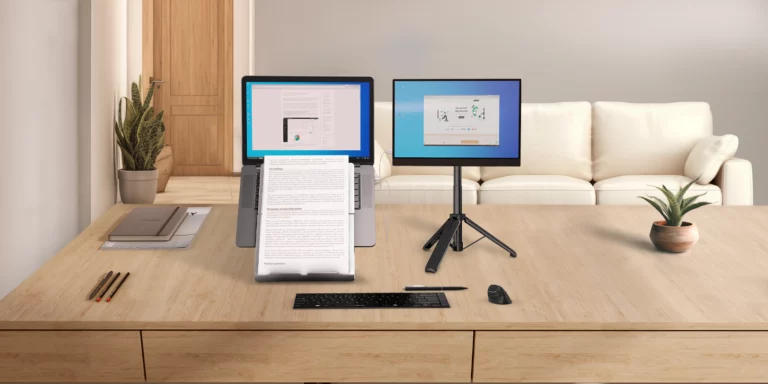
A clean, clutter-free workspace featuring ergonomic tools such as Standivarius Oryx evo D laptop stand and X-Stand for portable monitor, designed for comfort and productivity.

Workspace Reset: Decluttering Tips for Hybrid and Remote Workers

For remote and hybrid workers, maintaining an organised and efficient desk setup plays a key role in productivity and focus. Many home offices operate with compact desks or shared spaces, making it even more important to create an intentional, clutter-free environment. Spring is the perfect time to reassess whether your workspace supports your work style. A thoughtfully arranged and ergonomic setup can help reduce stress, improve efficiency, and keep distractions to a minimum. Decluttering alone isn’t always enough—maximising space and choosing the right ergonomic tools can make all the difference. These workspace decluttering tips will help you create a more functional and comfortable setup, even in a small space.   Step 1: Clear Out the Unnecessary   A cluttered desk can make work feel chaotic. Start by removing everything from your workspace—papers, accessories, gadgets—and reassess each item: Ask yourself: Do I use this daily or weekly? Does it contribute to my productivity? Digitise where possible—scan documents instead of keeping piles of paper. Reduce cable clutter by using wireless or minimal wired solutions. Remove oversized or redundant items that take up unnecessary space. Decluttering isn’t just about aesthetics—it’s about creating space for what truly supports your workflow. Following these workspace decluttering tips ensures that every item on your desk serves a purpose.   Step 2: Keep Only What Adds Value   Once you’ve cleared out the unnecessary, focus on what truly enhances your work: Compact tech – A slim laptop stand, portable keyboard, and ergonomic mouse help save space without sacrificing comfort. Essential daily-use items – Notebook, planner, or tools you frequently reach for. Multi-functional accessories – A monitor stand with built-in storage or a laptop stand that doubles as a document holder. Minimal personal touches – A plant or a small motivational quote to maintain inspiration without cluttering your workspace. By keeping only the essentials, you’re not just organising—you’re optimising your setup for better focus and productivity. These workspace decluttering tips help ensure your desk remains functional without unnecessary distractions.   Step 3: Enhance Productivity with Ergonomic Tools   A well-organised desk is great, but if it’s not ergonomic, it can still cause strain and discomfort. Consider space-efficient ergonomic upgrades: Raise your screen to eye level – A laptop stand with a document holder helps maintain better posture and prevents neck strain by aligning your screen and documents at a comfortable height. Use an external keyboard and mouse – A compact, wireless keyboard allows for a more natural typing position, reducing strain on your wrists and shoulders. Pair it with an ergonomic mouse that supports a relaxed hand posture to minimise wrist fatigue. Prioritise proper seating – If a new chair isn’t an option, an ergonomic seat cushion can improve posture and reduce discomfort during long hours. For example, tools like the Oryx evo D ergonomic laptop stand, Solo X wireless keyboard, and AVE /’a:vei/ ergonomic mouse provide flexibility and comfort, making it easier to maintain a healthy workspace setup whether you’re working from home or the office. Adding ergonomic tools is a natural extension of your workspace decluttering tips, ensuring that your desk isn’t just tidy but also optimised for long-term comfort.   Step 4: Optimise for a Hybrid or Mobile Setup   If, after decluttering, you realise your workspace still doesn’t feel right, consider a mobile ergonomic setup that adapts to your needs: Lightweight ergonomic tools – A foldable laptop stand, compact keyboard, and wireless mouse allow you to maintain comfort wherever you work. A minimal desk setup – Keep only the essentials so you can easily transition between home and office without disrupting productivity. Flexible solutions – If your workspace setup is limiting, investing in portable ergonomic solutions can give you the freedom to work comfortably anywhere.   A Fresh Start for a Better Workday   For many hybrid and remote workers, a well-structured workspace is essential for maintaining focus and productivity. Spring cleaning your workspace isn’t just about tidiness—it’s about creating a setup that supports your workflow and helps you work efficiently.   And if you find that your workspace still isn’t working for you, it might be time to rethink your setup entirely. A mobile ergonomic workspace can provide flexibility and comfort, ensuring you work efficiently whether at home or in the office.   Are you ready for a workspace reset? Take this opportunity to refresh your setup with these workspace decluttering tips and create a work environment that truly works for you!

Read More »
A professional using a dual monitor setup with a portable monitor on the X-Stand, enhancing productivity.

Single vs. Dual Monitors: Is the Upgrade Worth It?

In today’s hybrid and mobile work environment, professionals need a versatile, ergonomic setup that enhances productivity without compromising portability. While dual monitor setups are often associated with fixed office desks, mobile workers and hybrid professionals can also benefit from a dual-screen workflow on the go. But is upgrading to a dual portable monitor setup truly worth it? Let’s explore the pros and cons of single vs. dual monitors for mobile professionals and how the right ergonomic tools—like the X-Stand—can make a difference. The Case for a Single Monitor A single laptop screen is often the default choice for mobile workers. Here’s why some professionals stick to it: ✔ Fewer Distractions: A single screen naturally limits multitasking, helping maintain focus. ✔ Simplified Setup: No extra cables, stands, or connectivity concerns. ✔ Battery-Friendly: Running one screen conserves laptop power, extending battery life. When a Single Monitor Works Best: Quick work sessions in cafés, coworking spaces, or during travel, where carrying extra equipment isn’t convenient. Tasks that don’t require constant reference to multiple documents or applications, such as writing, email management, or browsing Consumes less power than a dual-screen setup and works well in tight spaces like small desks or airplane tray tables. The Benefits of a Dual Monitor Setup (On the Go) A dual monitor setup isn’t just for static office desks. With the right portable gear, it can enhance efficiency for mobile and hybrid professionals: ✔ Increased Productivity: Studies show that a second screen can boost productivity by 42%—ideal for multitasking, research, and cross-referencing.✔ Better Workflow Management: Keep email or communication apps on one screen while focusing on primary tasks on the other.✔ Enhanced Ergonomics: Reduces the need to switch between tabs, helping prevent eye strain and neck discomfort.✔ Seamless Hybrid Work: Whether at home, in a shared office, or traveling, a portable dual-screen setup provides consistency. Best Use Cases for a Portable Dual Monitor Setup: Hybrid workers who move between home and office. Digital professionals (designers, analysts, marketers) who need extra screen space. IT & remote support teams managing multiple dashboards or troubleshooting. How to Build a Portable Dual Monitor Setup For a successful dual-screen mobile office, you need a lightweight, ergonomic stand to support your second screen. The X-Stand is designed for professionals who need a compact, ergonomic, and foldable solution for their laptop + second screen setup. 🔹 Adjustable for the Perfect Viewing Angle – Prevents back and neck strain.🔹 Supports Tablets & Portable Monitors – Ideal for a lightweight (max. weight of 1.5 kg) second screen.🔹 Ultra-Compact & Foldable – Easily fits into any laptop bag. With the X-Stand, you can enjoy the benefits of dual monitors without sacrificing portability. Final Verdict: Is the Upgrade Worth It? If you need better productivity and a seamless hybrid setup, a portable dual-screen solution is a game changer. A lightweight, ergonomic second-screen solution—like the X-Stand—ensures comfort and efficiency anywhere you work. Would you make the switch to dual monitors for mobile work?

Read More »
The Ergonomic Holiday Guide: Travel Smart and Work Comfortably This Festive Season

The Ergonomic Holiday Guide: Travel Smart and Work Comfortably This Festive Season

The holiday season is a time to unwind, reconnect with loved ones, and enjoy festive cheer. However, for many professionals, the season doesn’t always mean a full break from work or travel. Whether you’re catching up on tasks during a train ride, working remotely from a family member’s home, or simply trying to stay comfortable while traveling, overlooking ergonomics can lead to unnecessary discomfort and strain. With the right tools and a few simple adjustments, you can maintain comfort and productivity no matter where the holidays take you. Here’s how to ensure your body stays supported, your posture remains healthy, and your work setup is optimized throughout the festive season. 1. Pack Portable Ergonomic Tools Traveling often means working on-the-go or adapting to unfamiliar setups. Compact tools like the Oryx Evo D Laptop Stand are essential for elevating your screen to eye level, reducing neck strain. Pair it with the Solo X Wireless Keyboard and AVE /’a:vei/ Wireless Ergonomic Mouse to maintain a neutral wrist position, whether you’re at the airport lounge or a family dining table. For more extended setups, adding the X-Stand as a secondary screen solution can help expand your workspace. These tools are lightweight, making them easy to pack and carry wherever the holidays take you. 2. Create an Ergonomic Workspace Anywhere Temporary workstations are often less than ideal, but small adjustments can turn them into comfortable, productive spaces. Start by elevating your laptop with a portable stand, and if the available chair lacks lumbar support, use a cushion or folded towel to improve alignment. If you’ll be working for extended periods, position your screen at eye level and your keyboard at a height that allows your wrists to stay straight. This reduces strain on your neck, shoulders, and wrists while keeping your posture in check. 3. Prioritize Movement and Stretching Sitting for long periods, whether while traveling or working, can lead to stiffness and discomfort. Schedule breaks to stand, stretch, or walk around every hour. Simple stretches for your neck, shoulders, and lower back can help relieve tension and improve circulation. Even short movements—like rolling your shoulders or gently twisting your torso—can counteract the effects of prolonged sitting. Incorporating these into your routine will help you feel more refreshed and less fatigued throughout the day. 4. Stay Comfortable During Downtime Holiday relaxation often involves scrolling through tablets, watching movies, or joining virtual gatherings. However, hunching over devices can strain your neck and shoulders. Use Oryx Pro, KickStand (for MS Surface Pro), or similar tools to prop your device at eye level, even during leisure activities. If lounging, ensure you maintain a supported position for your back and neck. Adding a cushion behind your lower back and using a lap desk can make even the most casual settings ergonomically friendly. 5. Gift Ergonomics This Holiday Season As you prioritize your own comfort, consider how ergonomic tools could make meaningful gifts for friends and family. Thoughtful, practical, and health-focused, items like the Oryx Evo D or Solo X Keyboard are perfect for anyone who values comfort and productivity—whether they work remotely or spend hours studying. Wrap Up Your Holidays with Standivarius This holiday season, prioritize comfort and well-being wherever your plans take you. With Standivarius’ ergonomic tools, you can feel supported and productive no matter the setting. Explore our range of solutions, including laptop stands, keyboards, and mice, to stay comfortable and stress-free this festive season. Discover more at standivarius.com and make this holiday ergonomic and memorable!

Read More »
Scroll to Top